Address: Yuanbaoshan Industrial Zone, Chifeng City, Inner Mongolia, China

-
About Us

-
Strength
-
-
Contacts
The Ultimate Guide to Using Amoxicillin and Metronidazole for Your Pet
Published on:
2024-12-16
The Ultimate Guide to Using Amoxicillin and Metronidazole for Your Pet Understanding Amoxicillin and Metronidazole What is Amoxicillin? Amoxicillin is a broad-spectrum **antibiotic** that belongs to the penicillin class of drugs. It is widely used in veterinary medicine to treat a variety of bacterial infections in pets, including **dogs**, **cats**, and other small animals. This medication work
The Ultimate Guide to Using Amoxicillin and Metronidazole for Your Pet
Understanding Amoxicillin and Metronidazole
What is Amoxicillin?
Amoxicillin is a broad-spectrum **antibiotic** that belongs to the penicillin class of drugs. It is widely used in veterinary medicine to treat a variety of bacterial infections in pets, including **dogs**, **cats**, and other small animals. This medication works by inhibiting the cell wall synthesis of bacteria, ultimately leading to their destruction.
What is Metronidazole?
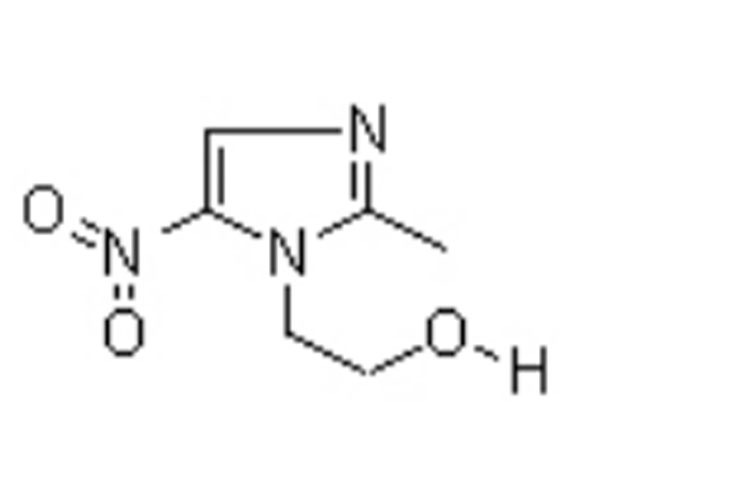
Metronidazole is another important antibiotic, but it operates differently. It primarily targets anaerobic bacteria and certain parasites. Metronidazole is effective for treating **gastrointestinal infections** and conditions such as **Giardiasis** in pets. This drug interferes with the DNA of the pathogens, preventing them from reproducing.
Common Uses of Amoxicillin and Metronidazole
Typical Infections Treated with Amoxicillin
Amoxicillin is particularly effective against infections such as:
- **Skin infections** (e.g., abscesses)
- **Ear infections** (otitis externa)
- **Respiratory infections**
- **Urinary tract infections** (UTIs)
Typical Infections Treated with Metronidazole
Metronidazole is primarily used for:
- **Gastrointestinal infections** (e.g., bacterial overgrowth)
- **Protozoal infections** (e.g., Giardia)
- **Dental infections** in pets
- **Inflammatory bowel disease** (IBD)
Dosage and Administration Guidelines
How to Administer Amoxicillin
Dosage of Amoxicillin can vary based on the type of infection and the size of your pet. Generally, the typical dosage is between **5-12.5 mg per kg** of body weight given every 12 to 24 hours. It is crucial to follow your veterinarian’s prescription and complete the entire course of treatment, even if your pet appears to improve.
How to Administer Metronidazole
For Metronidazole, the standard dosage is about **5-10 mg per kg** of body weight given every 12 to 24 hours, depending on the severity of the infection. Again, it is essential to adhere to your vet's instructions regarding how long to administer the medication.
Potential Side Effects and Risks
Side Effects of Amoxicillin
While Amoxicillin is generally safe, it can cause side effects, including:
- **Nausea or vomiting**
- **Diarrhea**
- **Allergic reactions**, which may present as itching or swelling
If your pet shows severe adverse reactions, such as difficulty breathing or excessive swelling, seek veterinary assistance immediately.
Side Effects of Metronidazole
Metronidazole may also lead to side effects such as:
- **Nausea or vomiting**
- **Loss of appetite**
- **Neurological symptoms**, including seizures (rare)
It is vital to monitor your pet during treatment and report any unusual behavior to your veterinarian.
Drug Interactions and Precautions
Amoxicillin Drug Interactions
Amoxicillin can interact with several medications, including:
- **Probenecid**, which may increase Amoxicillin levels in the blood
- **Tetracyclines**, which may reduce Amoxicillin’s effectiveness
Always inform your veterinarian about any other medications your pet is taking to avoid adverse interactions.
Metronidazole Drug Interactions
Metronidazole can also interact with certain drugs, such as:
- **Anticoagulants**, which may enhance the effects of blood thinners
- **Phenobarbital**, which may reduce Metronidazole effectiveness
Discuss your pet's current medications with your vet before starting Metronidazole.
Special Considerations for Pets
Is It Safe for Pregnant or Nursing Pets?
Both Amoxicillin and Metronidazole are generally considered safe for use in pregnant or nursing pets, but always consult your veterinarian for tailored advice based on your pet's specific situation.
What About Pets with Pre-existing Conditions?
If your pet has a pre-existing condition such as liver or kidney disease, special precautions may be necessary. Your veterinarian may adjust the dosage or choose alternative treatments to ensure safety.
How to Ensure Successful Treatment
Monitoring Your Pet
During treatment with Amoxicillin or Metronidazole, it is essential to monitor your pet's condition closely. Look for signs of improvement or worsening symptoms. Regular follow-ups with your veterinarian will help ensure the treatment is effective.
Completing the Treatment Course
Always complete the full course of medication as prescribed, even if your pet appears to have recovered. This helps prevent antibiotic resistance and ensures that the infection is entirely cleared.
FAQs About Amoxicillin and Metronidazole for Pets
1. Can I give my pet human doses of Amoxicillin or Metronidazole?
No, always consult your veterinarian for the appropriate dosage tailored to your pet's needs.
2. How long does it take for my pet to feel better after starting treatment?
Most pets show improvement within a few days, but some infections may require longer treatment.
3. Are there any dietary restrictions while my pet is on these medications?
Discuss any dietary concerns with your vet, as some medications may require specific food considerations.
4. What should I do if I miss a dose?
Give the missed dose as soon as you remember unless it’s close to the next scheduled dose. Never double up on doses.
5. Can my pet experience withdrawal symptoms after stopping medication?
Generally, pets do not experience withdrawal symptoms from these antibiotics. However, always consult your vet about any concerns.
Conclusion
Using Amoxicillin and Metronidazole for pets can be highly effective when used appropriately. Understanding the correct dosages, potential side effects, and interactions will empower pet owners to make informed decisions regarding their furry friends' health. Always consult with a veterinarian for personalized advice and treatment plans to ensure the best outcomes for your pet's well-being.
Key words: