Address: Yuanbaoshan Industrial Zone, Chifeng City, Inner Mongolia, China

-
About Us

-
Strength
-
-
Contacts
Understanding the Role of Amoxicillin and Metronidazole in Veterinary Medicine
Published on:
2024-12-09
In the realm of veterinary medicine, the use of antibiotics and antimicrobial agents is critical for treating various infections in animals. Among these, amoxicillin and metronidazole are two commonly utilized medications that serve distinct yet occasionally overlapping roles in therapy. Understanding their applications, mechanisms, and appropriate usage can significantly enhance clinical outcomes
In the realm of veterinary medicine, the use of antibiotics and antimicrobial agents is critical for treating various infections in animals. Among these, amoxicillin and metronidazole are two commonly utilized medications that serve distinct yet occasionally overlapping roles in therapy. Understanding their applications, mechanisms, and appropriate usage can significantly enhance clinical outcomes and promote better health in animal patients.
Amoxicillin is a broad-spectrum antibiotic that belongs to the penicillin group of drugs. It is effective against a wide variety of gram-positive and some gram-negative bacteria, making it a popular choice in treating bacterial infections, particularly those caused by organisms such as Streptococcus spp., Escherichia coli, and Pasteurella spp. In veterinary practice, amoxicillin is often used to address respiratory infections, urinary tract infections, and skin infections, among others. Its ability to inhibit bacterial cell wall synthesis leads to the death of susceptible bacteria, thus providing a rapid therapeutic effect.
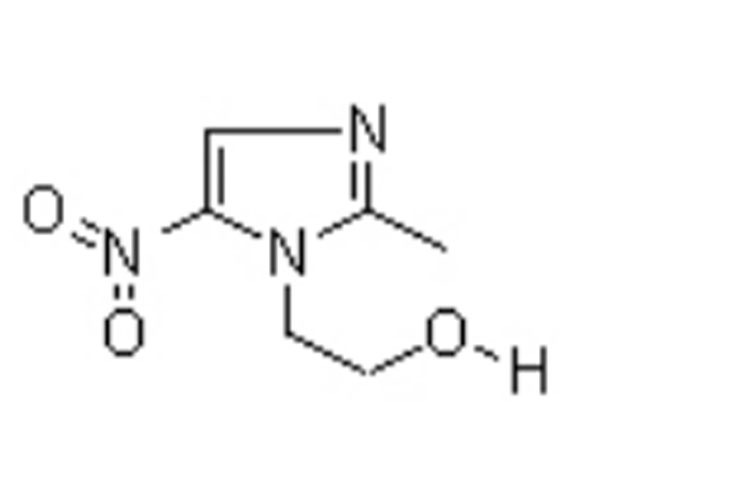
On the other hand, metronidazole is an antiprotozoal and antibiotic agent that is primarily effective against anaerobic bacteria and certain protozoa, such as Giardia and Trichomonas. In veterinary applications, metronidazole is frequently used to treat gastrointestinal infections, including those caused by anaerobic flora. Additionally, it has been shown to be effective in managing infections associated with periodontal disease and other dental issues in pets. The mechanism of action of metronidazole involves the disruption of microbial DNA synthesis, which is crucial for the pathogen's survival.
When considering the use of amoxicillin and metronidazole, it's essential for veterinary professionals to be aware of potential side effects and contraindications. For instance, while amoxicillin is generally well-tolerated, some animals may experience gastrointestinal upset, allergic reactions, or alterations in gut flora. Similarly, metronidazole can lead to neurological side effects, particularly in high doses or prolonged use. Therefore, careful dosing and monitoring are paramount to ensure the safety and efficacy of these medications.
Moreover, veterinarians must stay informed about the rising concern of antibiotic resistance. The responsible use of amoxicillin and metronidazole is critical to minimize this risk. Practices such as performing sensitivity testing, adhering to the recommended dosing schedules, and using these antibiotics only when necessary can contribute to better antimicrobial stewardship.
In conclusion, amoxicillin and metronidazole play pivotal roles in the treatment of diverse infections in veterinary medicine. A thorough understanding of their mechanisms, appropriate applications, and potential risks is essential for veterinary professionals aiming to provide optimal care for their animal patients. By leveraging these insights, clinicians can enhance therapeutic outcomes while promoting responsible medication use in veterinary practice.
Amoxicillin is a broad-spectrum antibiotic that belongs to the penicillin group of drugs. It is effective against a wide variety of gram-positive and some gram-negative bacteria, making it a popular choice in treating bacterial infections, particularly those caused by organisms such as Streptococcus spp., Escherichia coli, and Pasteurella spp. In veterinary practice, amoxicillin is often used to address respiratory infections, urinary tract infections, and skin infections, among others. Its ability to inhibit bacterial cell wall synthesis leads to the death of susceptible bacteria, thus providing a rapid therapeutic effect.
On the other hand, metronidazole is an antiprotozoal and antibiotic agent that is primarily effective against anaerobic bacteria and certain protozoa, such as Giardia and Trichomonas. In veterinary applications, metronidazole is frequently used to treat gastrointestinal infections, including those caused by anaerobic flora. Additionally, it has been shown to be effective in managing infections associated with periodontal disease and other dental issues in pets. The mechanism of action of metronidazole involves the disruption of microbial DNA synthesis, which is crucial for the pathogen's survival.
When considering the use of amoxicillin and metronidazole, it's essential for veterinary professionals to be aware of potential side effects and contraindications. For instance, while amoxicillin is generally well-tolerated, some animals may experience gastrointestinal upset, allergic reactions, or alterations in gut flora. Similarly, metronidazole can lead to neurological side effects, particularly in high doses or prolonged use. Therefore, careful dosing and monitoring are paramount to ensure the safety and efficacy of these medications.
Moreover, veterinarians must stay informed about the rising concern of antibiotic resistance. The responsible use of amoxicillin and metronidazole is critical to minimize this risk. Practices such as performing sensitivity testing, adhering to the recommended dosing schedules, and using these antibiotics only when necessary can contribute to better antimicrobial stewardship.
In conclusion, amoxicillin and metronidazole play pivotal roles in the treatment of diverse infections in veterinary medicine. A thorough understanding of their mechanisms, appropriate applications, and potential risks is essential for veterinary professionals aiming to provide optimal care for their animal patients. By leveraging these insights, clinicians can enhance therapeutic outcomes while promoting responsible medication use in veterinary practice.
Key words: