Address: Yuanbaoshan Industrial Zone, Chifeng City, Inner Mongolia, China

-
About Us

-
Strength
-
-
Contacts
Unlocking the Potential: The Advantages of Yongbang Metronidazole in Veterinary Medicine
Published on:
2024-11-01
Exploring the Benefits of Yongbang Metronidazole in Veterinary Medicine In the realm of veterinary medicine, the treatment of infections caused by anaerobic bacteria and protozoa is critical. One drug that stands out in this context is **Yongbang Metronidazole**. As we delve into the myriad benefits of this antibiotic, we will explore its applications, effectiveness, safety profiles, and contribut
Exploring the Benefits of Yongbang Metronidazole in Veterinary Medicine
In the realm of veterinary medicine, the treatment of infections caused by anaerobic bacteria and protozoa is critical. One drug that stands out in this context is **Yongbang Metronidazole**. As we delve into the myriad benefits of this antibiotic, we will explore its applications, effectiveness, safety profiles, and contributions to animal health. Our aim is to provide an exhaustive resource that underscores the importance of Yongbang Metronidazole within veterinary practices.
Table of Contents
- 1. Introduction to Yongbang Metronidazole
- 2. What is Yongbang Metronidazole?
- 3. Mechanism of Action of Yongbang Metronidazole
- 4. Applications of Yongbang Metronidazole in Veterinary Medicine
- 5. Benefits for Veterinary Practitioners
- 6. Safety and Side Effects
- 7. Dosage and Administration Guidelines
- 8. Case Studies and Research Findings
- 9. The Future of Yongbang Metronidazole in Veterinary Medicine
- 10. Conclusion
- 11. FAQs
1. Introduction to Yongbang Metronidazole
Yongbang Metronidazole has gained recognition as a potent antimicrobial agent used in veterinary practice. This article aims to shed light on its multifaceted benefits and efficacy in treating various infections in animals. Understanding its role can empower veterinary professionals to make informed decisions in their therapeutic approaches.
2. What is Yongbang Metronidazole?
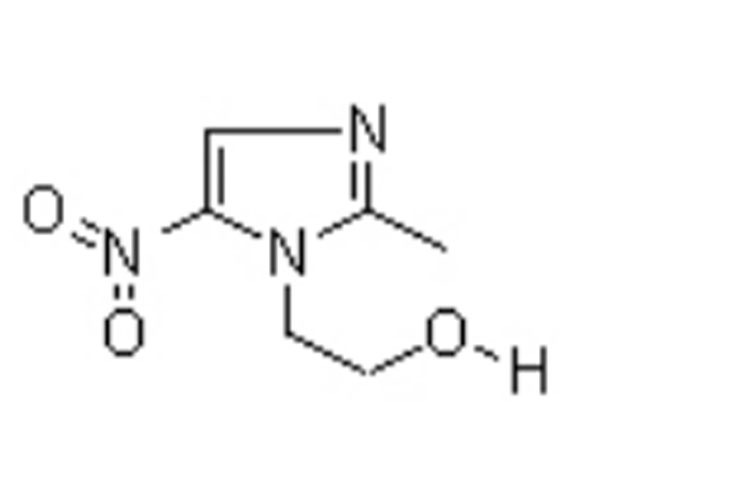
Yongbang Metronidazole is a **synthetic antibiotic** primarily effective against anaerobic bacteria and certain protozoa. It belongs to the nitroimidazole class of drugs, which are known for their wide-ranging applications in both human and veterinary medicine. This drug has become a staple in managing diverse infections, especially those related to the gastrointestinal and reproductive systems.
The Composition of Yongbang Metronidazole
Yongbang Metronidazole typically contains metronidazole as its active ingredient, accompanied by various inactive components that enhance its stability and bioavailability. This formulation is designed to ensure maximum efficacy while minimizing potential side effects.
3. Mechanism of Action of Yongbang Metronidazole
Understanding how Yongbang Metronidazole works is crucial for its effective application in veterinary medicine. The drug exerts its antimicrobial effects by entering the microbial cell and disrupting its DNA synthesis. This leads to cell death, making it particularly effective against anaerobic pathogens that thrive in low-oxygen environments.
Due to its specific action against anaerobic bacteria, Yongbang Metronidazole is often chosen for treating infections in animals where these microbes are implicated. This includes conditions such as **bacterial vaginosis** in females and **periodontal diseases** in pets.
4. Applications of Yongbang Metronidazole in Veterinary Medicine
Yongbang Metronidazole has a variety of applications in veterinary settings, making it an invaluable tool for practitioners. Below are some of its most common uses:
Treatment of Gastrointestinal Infections
One of the primary uses of Yongbang Metronidazole is in treating **gastrointestinal infections**. This includes conditions such as colitis, where its effectiveness against anaerobic bacteria can significantly reduce symptoms and promote recovery.
Management of Protozoal Infections
Yongbang Metronidazole is particularly effective against protozoal infections, such as **Giardiasis** and **Balantidiasis**. These conditions can lead to severe gastrointestinal distress and, if left untreated, can jeopardize the health of the animal.
Skin and Soft Tissue Infections
The drug is also useful in managing skin and soft tissue infections, especially where there is a suspected anaerobic component. By targeting these bacteria, Yongbang Metronidazole can facilitate faster healing and reduce inflammation.
5. Benefits for Veterinary Practitioners
The advantages of using Yongbang Metronidazole in veterinary practice extend beyond its antimicrobial properties. Here are some significant benefits:
Cost-Effectiveness
Yongbang Metronidazole is often more affordable than some alternative treatments. This allows veterinary practices to provide effective care without imposing significant financial burdens on pet owners.
Broad Spectrum of Activity
With its ability to combat a wide range of pathogens, Yongbang Metronidazole offers versatility in treatment options. This broad spectrum makes it easier for veterinarians to address various infections with a single medication.
Rapid Onset of Action
Veterinarians appreciate the **rapid onset** of action that Yongbang Metronidazole provides. This can be particularly beneficial in acute cases where time is of the essence for effective treatment.
6. Safety and Side Effects
While Yongbang Metronidazole is generally considered safe for use in animals, it is essential to understand potential side effects and contraindications. These can include:
Common Side Effects
Some common side effects observed in animals treated with Yongbang Metronidazole may include:
- Nausea and vomiting
- Loss of appetite
- Diarrhea
Contraindications
Yongbang Metronidazole should not be administered to animals with known hypersensitivity to the drug. Additionally, caution is advised when using it in pregnant or lactating animals due to its potential effects on fetal development.
7. Dosage and Administration Guidelines
Determining the correct dosage of Yongbang Metronidazole is crucial for effective treatment. Dosage typically varies based on the type of infection, the animal's weight, and overall health condition. Here are some general guidelines:
General Dosage Recommendations
For most infections, the recommended dosage is:
- **Dogs**: 10-15 mg/kg every 12 hours
- **Cats**: 5-10 mg/kg every 12 hours
It is essential to follow the veterinarian's recommendations and adjust dosages as needed based on the specific clinical situation.
8. Case Studies and Research Findings
Numerous studies and real-world case reports have highlighted the effectiveness of Yongbang Metronidazole in various veterinary applications. These case studies demonstrate its utility in treating complex infections and provide insights into optimal usage.
Case Study: Treatment of Canine Colitis
In a controlled study involving dogs diagnosed with colitis, treatment with Yongbang Metronidazole significantly reduced clinical signs and improved overall health within days. Such findings reinforce the drug’s role in managing gastrointestinal disorders effectively.
Research Findings on Protozoal Infections
Research has shown that Yongbang Metronidazole effectively eradicates Giardia in dogs and cats. This is critical as Giardiasis can lead to severe weight loss and malnutrition if untreated.
9. The Future of Yongbang Metronidazole in Veterinary Medicine
The future of Yongbang Metronidazole appears promising, with ongoing research aimed at expanding its applications and improving formulations. As veterinarians continue to face challenges related to antibiotic resistance, the demand for effective and reliable treatments will only increase.
Potential Innovations
Innovations may include extended-release formulations that allow for less frequent dosing, enhancing compliance and treatment success rates. Additionally, combining Yongbang Metronidazole with other agents could enhance its therapeutic potential.
10. Conclusion
Yongbang Metronidazole is a vital component of veterinary medicine, offering numerous benefits in treating a variety of infections. Its broad spectrum of activity, rapid action, and cost-effectiveness make it an indispensable tool for veterinarians worldwide. By understanding its mechanisms, applications, and safety, veterinary practitioners can leverage Yongbang Metronidazole to improve animal health outcomes effectively. As research continues to evolve, this drug will undoubtedly play a pivotal role in shaping future veterinary practices.
11. FAQs
What is Yongbang Metronidazole used for in veterinary medicine?
Yongbang Metronidazole is primarily used to treat infections caused by anaerobic bacteria and protozoa, particularly in gastrointestinal and skin infections.
Are there any side effects associated with Yongbang Metronidazole?
Common side effects may include nausea, vomiting, loss of appetite, and diarrhea. It is essential to consult with a veterinarian if any adverse effects occur.
How is Yongbang Metronidazole administered to animals?
The drug can be administered orally in tablet form or via injection, depending on the specific needs of the patient and the veterinarian's recommendation.
Can Yongbang Metronidazole be used in pregnant animals?
Use in pregnant animals should be approached with caution and only under the guidance of a veterinarian due to potential risks involved.
What should I do if my pet misses a dose of Yongbang Metronidazole?
If a dose is missed, it should be administered as soon as remembered. However, if it is close to the next scheduled dose, skip the missed dose and resume the normal dosing schedule.
In summary, Yongbang Metronidazole is a cornerstone in veterinary medicine, providing effective solutions for challenging infections and enhancing the overall standard of care for animals. Its ongoing application and research will ensure it remains relevant and beneficial in the years to come.
Key words: