Address: Yuanbaoshan Industrial Zone, Chifeng City, Inner Mongolia, China

-
About Us

-
Strength
-
-
Contacts
The Essential Guide to Carbasalate Calcium in Veterinary Medicine
Published on:
2024-10-25
Carbasalate Calcium is an important compound in the veterinary medicine field, primarily known for its analgesic, anti-inflammatory, and antipyretic properties. This medication is derived from salicylate and is often utilized in managing pain, inflammation, and fever in animals. As a versatile agent, Carbasalate Calcium has gained recognition for its effectiveness in various veterinary application
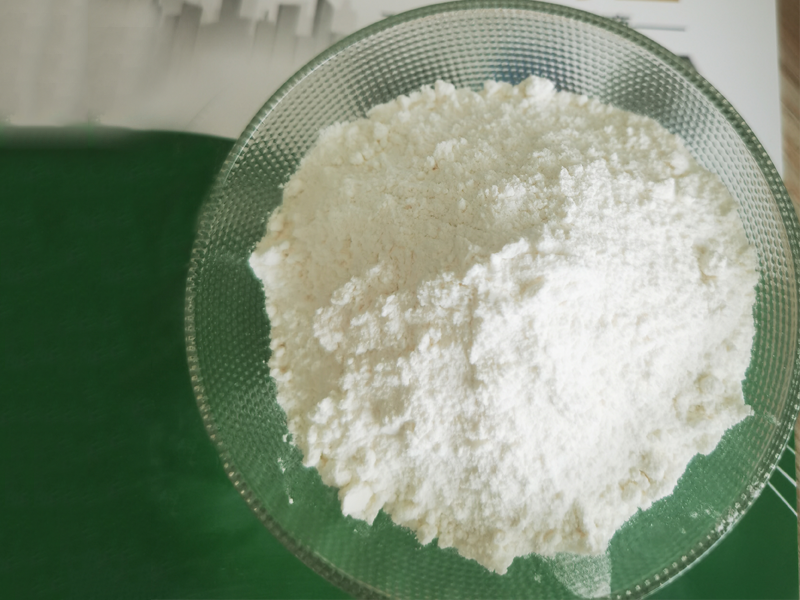
Carbasalate Calcium is an important compound in the veterinary medicine field, primarily known for its analgesic, anti-inflammatory, and antipyretic properties. This medication is derived from salicylate and is often utilized in managing pain, inflammation, and fever in animals. As a versatile agent, Carbasalate Calcium has gained recognition for its effectiveness in various veterinary applications, particularly for treating conditions that involve discomfort or pain due to inflammatory responses.
One of the primary uses of Carbasalate Calcium is in the treatment of musculoskeletal disorders in animals, such as arthritis and other joint-related issues. The anti-inflammatory benefits help to reduce swelling and improve mobility in affected animals, thus enhancing their quality of life. Additionally, Carbasalate Calcium can be used to manage pain post-surgery or after injuries, providing much-needed relief to animals recovering from medical procedures or trauma.
Its mechanism of action involves inhibiting the production of prostaglandins, which are chemicals in the body responsible for promoting inflammation and pain. By interfering with this process, Carbasalate Calcium helps to alleviate discomfort and allows for a quicker recovery in various conditions. This makes it an essential tool for veterinarians when formulating treatment plans for their patients.
However, it is crucial to use Carbasalate Calcium under the guidance of a qualified veterinarian. Dosage and administration can vary based on the type of animal, the specific condition being treated, and the individual response to the medication. Overdosing or incorrect usage can lead to adverse effects, including gastrointestinal issues and kidney complications. Therefore, appropriate veterinary supervision is necessary to ensure the safety and efficacy of the treatment.
Furthermore, while Carbasalate Calcium is generally well-tolerated, it may not be suitable for all animals, particularly those with known allergies to salicylates or those with pre-existing health conditions. Before prescribing this medication, veterinarians will typically conduct a thorough examination and may recommend tests to assess the overall health of the animal.
In conclusion, Carbasalate Calcium plays a significant role in veterinary medicine by effectively managing pain, inflammation, and fever in animals. Its benefits are numerous, especially for those suffering from chronic pain conditions or recovering from surgery. Nonetheless, responsible use, guided by veterinary expertise, is essential to ensure the best outcomes for animal health. As a pet owner or someone involved in animal care, understanding the application and implications of Carbasalate Calcium can empower you to make informed decisions regarding your animal's health and well-being.
One of the primary uses of Carbasalate Calcium is in the treatment of musculoskeletal disorders in animals, such as arthritis and other joint-related issues. The anti-inflammatory benefits help to reduce swelling and improve mobility in affected animals, thus enhancing their quality of life. Additionally, Carbasalate Calcium can be used to manage pain post-surgery or after injuries, providing much-needed relief to animals recovering from medical procedures or trauma.
Its mechanism of action involves inhibiting the production of prostaglandins, which are chemicals in the body responsible for promoting inflammation and pain. By interfering with this process, Carbasalate Calcium helps to alleviate discomfort and allows for a quicker recovery in various conditions. This makes it an essential tool for veterinarians when formulating treatment plans for their patients.
However, it is crucial to use Carbasalate Calcium under the guidance of a qualified veterinarian. Dosage and administration can vary based on the type of animal, the specific condition being treated, and the individual response to the medication. Overdosing or incorrect usage can lead to adverse effects, including gastrointestinal issues and kidney complications. Therefore, appropriate veterinary supervision is necessary to ensure the safety and efficacy of the treatment.
Furthermore, while Carbasalate Calcium is generally well-tolerated, it may not be suitable for all animals, particularly those with known allergies to salicylates or those with pre-existing health conditions. Before prescribing this medication, veterinarians will typically conduct a thorough examination and may recommend tests to assess the overall health of the animal.
In conclusion, Carbasalate Calcium plays a significant role in veterinary medicine by effectively managing pain, inflammation, and fever in animals. Its benefits are numerous, especially for those suffering from chronic pain conditions or recovering from surgery. Nonetheless, responsible use, guided by veterinary expertise, is essential to ensure the best outcomes for animal health. As a pet owner or someone involved in animal care, understanding the application and implications of Carbasalate Calcium can empower you to make informed decisions regarding your animal's health and well-being.
Key words: