Address: Yuanbaoshan Industrial Zone, Chifeng City, Inner Mongolia, China

-
About Us

-
Strength
-
-
Contacts
Why Amoxicillin and Metronidazole are Essential for Pet Care
Published on:
2024-10-18
Why Amoxicillin and Metronidazole are Essential for Pet Care Understanding Amoxicillin and Metronidazole What is Amoxicillin? Amoxicillin is a broad-spectrum antibiotic commonly used in both humans and pets. It belongs to the penicillin family and is effective against a variety of bacterial infections. In veterinary medicine, Amoxicillin is utilized to treat infections in pets, including dogs and
Why Amoxicillin and Metronidazole are Essential for Pet Care
Understanding Amoxicillin and Metronidazole
What is Amoxicillin?
Amoxicillin is a broad-spectrum antibiotic commonly used in both humans and pets. It belongs to the penicillin family and is effective against a variety of bacterial infections. In veterinary medicine, Amoxicillin is utilized to treat infections in pets, including dogs and cats. Its effectiveness against gram-positive and some gram-negative bacteria makes it a staple in pet healthcare.
What is Metronidazole?
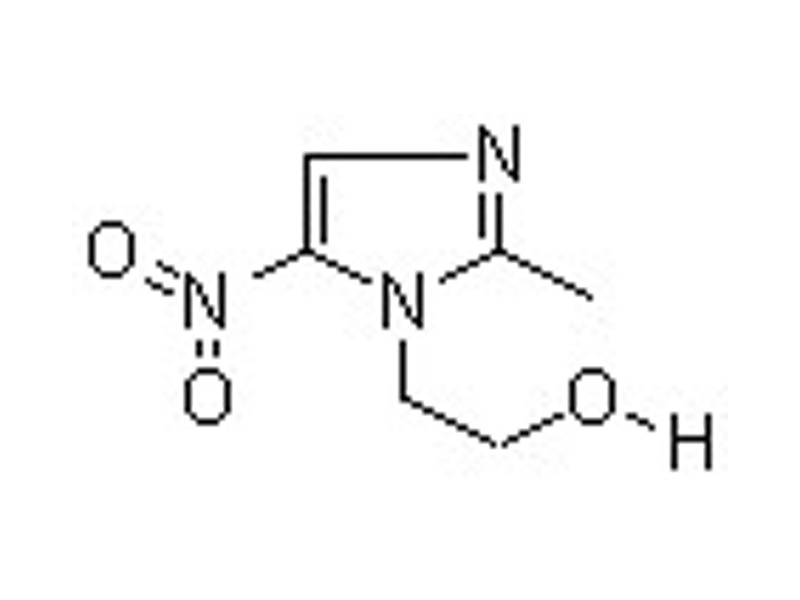
Metronidazole, another potent antimicrobial agent, is primarily used to combat anaerobic bacteria and certain parasites. This medication is particularly useful in the treatment of gastrointestinal disorders in pets, such as diarrhea caused by bacterial infections or protozoal parasites. Its ability to penetrate tissues effectively makes it a valuable tool in veterinary medicine.
The Importance of Antibiotics in Veterinary Medicine
Why Are Antibiotics Necessary for Pets?
Antibiotics play a vital role in treating infections that can jeopardize the health of our pets. Just like humans, animals can suffer from bacterial infections that, if left untreated, could lead to severe complications or even be fatal. By utilizing antibiotics such as Amoxicillin and Metronidazole, veterinarians can effectively combat these infections and help restore a pet's health.
Common Infections Treated with Amoxicillin and Metronidazole
Both Amoxicillin and Metronidazole are commonly prescribed for several infections in pets, including:
1. **Skin Infections**: Bacterial skin infections often require antibiotic intervention to prevent further complications.
2. **Respiratory Infections**: Conditions like bronchitis and pneumonia can be treated effectively with these antibiotics.
3. **Gastrointestinal Disorders**: Metronidazole is particularly effective against gastrointestinal infections, including those caused by Giardia or Clostridium.
4. **Urinary Tract Infections**: Urinary tract infections (UTIs) in pets can be treated with Amoxicillin, alleviating discomfort and preventing further health issues.
The Mechanism of Action of Amoxicillin and Metronidazole
How Does Amoxicillin Work?
Amoxicillin works by inhibiting the synthesis of bacterial cell walls. Without a robust cell wall, bacteria cannot maintain their structure or function, leading to cell lysis and death. This action makes Amoxicillin effective against a wide range of bacteria.
The Role of Metronidazole in Bacterial Infections
Metronidazole functions differently; it disrupts the DNA synthesis of anaerobic bacteria and protozoa. By interfering with the genetic material, Metronidazole effectively halts the replication of these pathogens, allowing the immune system to eliminate the infection.
Benefits of Using Amoxicillin and Metronidazole for Pets
Effective Treatment of Infections
The primary benefit of using Amoxicillin and Metronidazole is their effectiveness in treating a variety of infections. Both medications have proven track records in veterinary medicine, offering reliable solutions for common health issues faced by pets.
Safety and Tolerability
When used as directed by a veterinarian, both Amoxicillin and Metronidazole are generally safe for pets. Side effects are rare, and most pets tolerate these medications well. However, veterinarians will consider a pet’s specific health needs and potential allergies before prescribing.
Quick Recovery from Illness
Timely administration of these antibiotics can lead to quicker recovery times, reducing the duration of illness and the risk of complications. This is particularly important for pets that may be in distress due to infections.
Proper Usage of Amoxicillin and Metronidazole in Pets
Dosage Guidelines for Pets
The dosage of Amoxicillin and Metronidazole varies depending on the type of infection, the pet's weight, and overall health. Veterinarians typically prescribe these medications based on careful assessments to ensure optimal efficacy and safety. It is crucial for pet owners to follow the prescribed dosage to avoid underdosing or overdosing.
How to Administer These Medications
Administering medications can sometimes be challenging for pet owners. Here are some tips to facilitate the process:
1. **Hide it in Food**: Place the tablet or capsule in a small amount of your pet’s favorite food.
2. **Use a Pill Pocket**: Specially designed treats can make administering pills easier and more appealing to pets.
3. **Follow Up with Praise**: Always reward your pet after taking medication to create a positive association.
Potential Side Effects and Risks
Common Side Effects
While Amoxicillin and Metronidazole are generally well-tolerated, pets may experience some side effects. Common side effects include:
- **Diarrhea**: Disruption of gut flora may lead to diarrhea, particularly with Metronidazole.
- **Vomiting**: Some pets may experience nausea or vomiting, especially if medication is not taken with food.
- **Allergic Reactions**: Rarely, pets may develop allergic reactions, which can manifest as itching, swelling, or difficulty breathing.
When to Consult a Veterinarian
Pet owners should monitor their pets closely while on these medications. If side effects occur, or if the pet’s condition does not improve, it’s essential to consult a veterinarian promptly. Regular check-ups can help ensure that the medications are working as intended.
FAQs About Amoxicillin and Metronidazole for Pets
1. Can I give my pet human Amoxicillin or Metronidazole?
No, you should never administer human medications to pets without veterinary guidance. Dosage and formulation may differ, leading to potential harm.
2. How long does it take for Amoxicillin and Metronidazole to work?
Most pets will start to show improvement within a few days of starting the medication. However, it’s crucial to complete the full course as prescribed.
3. Are there any foods to avoid while my pet is on these medications?
Generally, there are no specific foods to avoid, but it’s best to follow your veterinarian’s instructions regarding diet and medication administration.
4. Can these antibiotics be used for all types of infections?
No, while they are effective for many bacterial infections, certain infections may require different antibiotics or treatment approaches.
5. What should I do if I miss a dose of my pet's medication?
If you miss a dose, administer it as soon as you remember. If it’s almost time for the next dose, skip the missed one and continue with the regular schedule. Never double up on doses.
Conclusion
In conclusion, Amoxicillin and Metronidazole are invaluable tools in veterinary medicine, providing essential support in treating infections in our beloved pets. Their effectiveness, safety profile, and quick action make them critical components of pet healthcare. Understanding their roles and proper usage not only enhances the health and well-being of pets but also empowers pet owners to make informed decisions. Regular veterinary check-ups and following prescribed guidelines ensure that pets receive the best possible care, allowing them to lead happy and healthy lives.
Key words: