Address: Yuanbaoshan Industrial Zone, Chifeng City, Inner Mongolia, China

-
About Us

-
Strength
-
-
Contacts
Understanding the Benefits of Amoxicillin and Metronidazole for Pets: A Comprehensive Guide
Published on:
2024-08-23
Understanding the Benefits of Amoxicillin and Metronidazole for Pets Table of Contents 1. Introduction to Veterinary Antibiotics 2. What are Amoxicillin and Metronidazole? 3. How Do Amoxicillin and Metronidazole Work? 4. Benefits of Amoxicillin for Pets 5. Benefits of Metronidazole for Pets 6. Combining Amoxicillin and Metronidazole for Enhanced Treatment 7. Safety and
Understanding the Benefits of Amoxicillin and Metronidazole for Pets
Table of Contents
- 1. Introduction to Veterinary Antibiotics
- 2. What are Amoxicillin and Metronidazole?
- 3. How Do Amoxicillin and Metronidazole Work?
- 4. Benefits of Amoxicillin for Pets
- 5. Benefits of Metronidazole for Pets
- 6. Combining Amoxicillin and Metronidazole for Enhanced Treatment
- 7. Safety and Side Effects of Amoxicillin and Metronidazole
- 8. When to Use Amoxicillin and Metronidazole for Pets
- 9. Frequently Asked Questions
- 10. Conclusion
1. Introduction to Veterinary Antibiotics
Veterinary medicine has evolved significantly, and the use of antibiotics has become a cornerstone in treating infections in pets. Among the various antibiotics available, **Amoxicillin** and **Metronidazole** stand out for their effectiveness and broad range of applications. These medications not only help combat bacterial infections but also play a crucial role in enhancing the overall health of our pets.
2. What are Amoxicillin and Metronidazole?
**Amoxicillin** is a penicillin-type antibiotic that is widely used in veterinary medicine to treat various bacterial infections in pets. It is effective against a range of gram-positive and some gram-negative bacteria, making it a versatile choice for veterinarians.
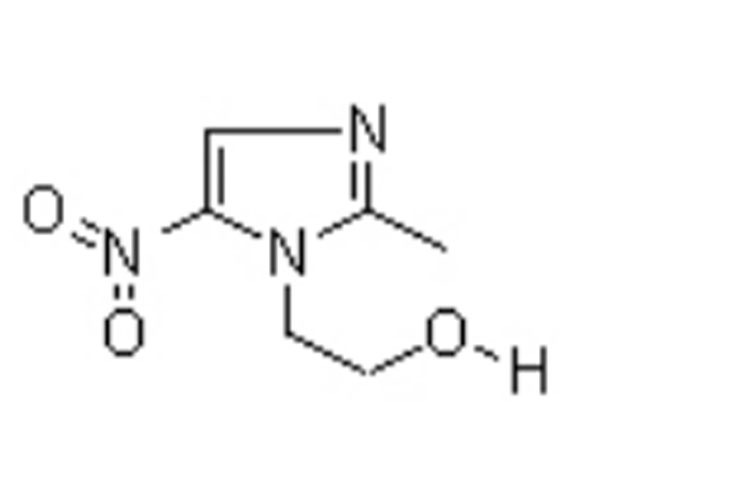
**Metronidazole**, on the other hand, is an antimicrobial agent primarily used to treat infections caused by anaerobic bacteria and certain parasites. It is particularly effective in treating gastrointestinal infections and conditions like **giardiasis** and **clostridial infections**.
3. How Do Amoxicillin and Metronidazole Work?
Both Amoxicillin and Metronidazole work by targeting specific bacterial processes to inhibit their growth and reproduction.
- **Amoxicillin** disrupts the synthesis of bacterial cell walls, leading to the eventual death of the bacteria. By preventing the formation of peptidoglycan, a major component of the bacterial cell wall, Amoxicillin effectively weakens the bacteria, making them susceptible to the immune system.
- **Metronidazole** functions by entering bacterial cells and causing damage to their DNA. This disruption of the DNA prevents the bacteria from reproducing and ultimately leads to their death. Moreover, Metronidazole is effective against certain protozoa, making it a valuable medication for treating both bacterial and parasitic infections.
4. Benefits of Amoxicillin for Pets
The benefits of Amoxicillin in veterinary medicine are numerous and significant:
4.1 Effective Treatment for Bacterial Infections
Amoxicillin is highly effective against a variety of bacterial infections, including those affecting the skin, urinary tract, and respiratory system. This broad-spectrum efficacy makes it a go-to antibiotic for veterinarians when diagnosing infections.
4.2 Easy Administration
Amoxicillin is available in various forms, including tablets, capsules, and oral suspensions, making it easy for pet owners to administer to their pets. This flexibility is crucial in ensuring that pets receive their medication consistently and effectively.
4.3 Rapid Onset of Action
One of the key advantages of Amoxicillin is its rapid onset of action. Pet owners often notice improvement in their pets' conditions within a few days of starting treatment, providing peace of mind during a stressful time.
4.4 Minimal Side Effects
Amoxicillin is generally well-tolerated by pets, with minimal side effects reported. This safety profile makes it a preferred choice for treating infections in various pet populations, including dogs and cats.
5. Benefits of Metronidazole for Pets
Metronidazole offers distinct advantages, particularly in treating specific infections:
5.1 Effective Against Anaerobic Infections
Metronidazole is particularly effective against anaerobic bacteria that thrive in low-oxygen environments. This makes it an invaluable treatment option for infections in the gastrointestinal tract, where anaerobic bacteria are prevalent.
5.2 Treatment for Protozoal Infections
In addition to its antibacterial properties, Metronidazole is also effective against certain protozoal infections, such as those caused by Giardia. This dual action is critical in managing complex infections that may involve both bacteria and parasites.
5.3 Anti-Inflammatory Properties
Metronidazole has anti-inflammatory properties, which can help reduce inflammation associated with certain infections. This is particularly beneficial for pets suffering from gastrointestinal disorders, as it can alleviate discomfort and promote healing.
5.4 Versatile Formulations
Like Amoxicillin, Metronidazole is available in various formulations, including tablets and liquid suspensions, allowing for ease of administration based on the pet's needs.
6. Combining Amoxicillin and Metronidazole for Enhanced Treatment
In some cases, veterinarians may prescribe Amoxicillin and Metronidazole together to provide a comprehensive treatment plan. This combination can be particularly effective for pets with polymicrobial infections, where multiple types of bacteria are involved. By addressing both aerobic and anaerobic bacteria, this combined approach can lead to improved outcomes and faster recovery times.
7. Safety and Side Effects of Amoxicillin and Metronidazole
While both Amoxicillin and Metronidazole are generally safe for pets, it is essential to be aware of potential side effects:
7.1 Common Side Effects
Some pets may experience mild side effects, such as gastrointestinal upset, including vomiting or diarrhea. If these symptoms persist or worsen, it is crucial to consult a veterinarian.
7.2 Allergic Reactions
Although rare, allergic reactions can occur. Signs may include swelling, itching, or difficulty breathing. If any of these symptoms manifest, immediate veterinary attention is required.
7.3 Drug Interactions
Both medications can interact with other drugs, so it is vital to disclose all medications your pet is currently taking to the veterinarian. This ensures safe and effective treatment.
8. When to Use Amoxicillin and Metronidazole for Pets
Understanding when to use these antibiotics is crucial for effective treatment:
8.1 Indications for Amoxicillin
- Skin infections
- Urinary tract infections
- Respiratory infections
- Dental infections
8.2 Indications for Metronidazole
- Gastrointestinal infections
- Protozoal infections
- Inflammatory bowel disease
- Clostridial infections
Veterinarians typically perform a thorough examination and diagnostic testing before prescribing these medications to ensure they are appropriate for the pet's specific condition.
9. Frequently Asked Questions
9.1 Can I give my pet Amoxicillin or Metronidazole without a prescription?
No, both Amoxicillin and Metronidazole should only be given to pets under the guidance of a veterinarian to ensure proper dosing and to avoid potential complications.
9.2 How long should my pet be on these antibiotics?
The duration of treatment depends on the specific infection and the veterinarian’s recommendation. Typically, treatment lasts from 7 to 14 days.
9.3 Are there alternatives to Amoxicillin and Metronidazole?
Yes, there are other antibiotics and treatments available. However, the choice of medication should be based on the type of infection and the veterinarian's assessment.
9.4 What should I do if I miss a dose?
If you miss a dose of your pet's medication, give it as soon as you remember. If it's close to the time for the next dose, skip the missed dose and return to the regular schedule. Never double the dose.
9.5 Can these antibiotics affect my pet’s appetite?
Some pets may experience a temporary decrease in appetite while on these medications. If the loss of appetite persists for more than 24 hours, consult your veterinarian.
10. Conclusion
In summary, **Amoxicillin** and **Metronidazole** are valuable tools in veterinary medicine, offering effective treatment options for a wide range of bacterial and protozoal infections in pets. Their benefits, including effectiveness, ease of administration, and safety profiles, make them essential for maintaining the health and well-being of our furry companions. Always consult a veterinarian for proper diagnosis and treatment recommendations tailored to your pet's specific needs. By understanding the roles of these antibiotics, pet owners can be proactive in ensuring their beloved animals receive the best possible care.
Key words: