Address: Yuanbaoshan Industrial Zone, Chifeng City, Inner Mongolia, China

-
About Us

-
Strength
-
-
Contacts
Navigating Regulatory Frameworks: Compliance and Quality Control in Amoxicillin and Metronidazole Use
Published on:
2024-05-05
In the ever-evolving landscape of the pharmaceutical industry, navigating regulatory frameworks is crucial for ensuring compliance and quality control. This is especially true when it comes to the use of essential medications such as Amoxicillin and Metronidazole. In this article, we will delve into the key considerations for effectively managing regulatory requirements and maintaining high standa
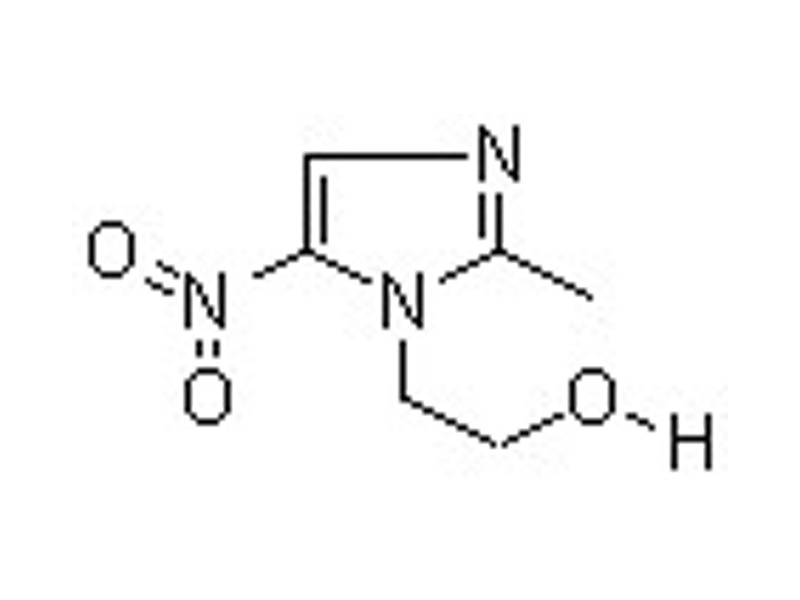
In the ever-evolving landscape of the pharmaceutical industry, navigating regulatory frameworks is crucial for ensuring compliance and quality control. This is especially true when it comes to the use of essential medications such as Amoxicillin and Metronidazole. In this article, we will delve into the key considerations for effectively managing regulatory requirements and maintaining high standards of quality in the use of these medications.
### Understanding Regulatory Frameworks in the Pharmaceutical Industry
Regulatory frameworks play a vital role in governing the production, distribution, and use of pharmaceutical products. These frameworks are designed to ensure that medications meet stringent safety and efficacy standards before they can be made available to the public. When it comes to medications like Amoxicillin and Metronidazole, regulatory bodies closely monitor their production, labeling, and distribution to safeguard public health.
#### Importance of Compliance in Pharmaceutical Regulation
Compliance with regulatory requirements is non-negotiable in the pharmaceutical industry. Failure to adhere to these guidelines can result in severe consequences, including product recalls, fines, and damage to a company's reputation. Therefore, it is essential for pharmaceutical companies to stay abreast of regulatory changes and implement robust compliance measures to mitigate risks.
### Quality Control Measures for Amoxicillin and Metronidazole Use
Maintaining high standards of quality control is paramount when it comes to the use of medications like Amoxicillin and Metronidazole. Quality control measures ensure that medications are safe, effective, and free from contaminants that could compromise patient safety. Pharmaceutical companies must adhere to strict quality control protocols throughout the manufacturing process to uphold the integrity of these medications.
#### Key Components of Quality Control in Pharmaceutical Manufacturing
Quality control in pharmaceutical manufacturing encompasses various aspects, including raw material testing, in-process monitoring, and final product inspection. By implementing rigorous quality control measures at each stage of the manufacturing process, pharmaceutical companies can ensure that medications meet the highest standards of safety and efficacy.
### FAQs
1. What are the regulatory requirements for the production of Amoxicillin and Metronidazole?
2. How can pharmaceutical companies ensure compliance with quality control measures?
3. What are the consequences of non-compliance with regulatory frameworks in the pharmaceutical industry?
4. How do regulatory bodies monitor the use of medications like Amoxicillin and Metronidazole?
5. What role do quality control measures play in safeguarding patient safety?
### Conclusion
Navigating regulatory frameworks and maintaining quality control in the use of Amoxicillin and Metronidazole are critical aspects of pharmaceutical industry operations. By adhering to regulatory requirements and implementing robust quality control measures, pharmaceutical companies can ensure the safety and efficacy of these essential medications. Staying informed about regulatory changes and continuously improving quality control protocols are key to upholding the highest standards of compliance and quality in pharmaceutical manufacturing.
### Understanding Regulatory Frameworks in the Pharmaceutical Industry
Regulatory frameworks play a vital role in governing the production, distribution, and use of pharmaceutical products. These frameworks are designed to ensure that medications meet stringent safety and efficacy standards before they can be made available to the public. When it comes to medications like Amoxicillin and Metronidazole, regulatory bodies closely monitor their production, labeling, and distribution to safeguard public health.
#### Importance of Compliance in Pharmaceutical Regulation
Compliance with regulatory requirements is non-negotiable in the pharmaceutical industry. Failure to adhere to these guidelines can result in severe consequences, including product recalls, fines, and damage to a company's reputation. Therefore, it is essential for pharmaceutical companies to stay abreast of regulatory changes and implement robust compliance measures to mitigate risks.
### Quality Control Measures for Amoxicillin and Metronidazole Use
Maintaining high standards of quality control is paramount when it comes to the use of medications like Amoxicillin and Metronidazole. Quality control measures ensure that medications are safe, effective, and free from contaminants that could compromise patient safety. Pharmaceutical companies must adhere to strict quality control protocols throughout the manufacturing process to uphold the integrity of these medications.
#### Key Components of Quality Control in Pharmaceutical Manufacturing
Quality control in pharmaceutical manufacturing encompasses various aspects, including raw material testing, in-process monitoring, and final product inspection. By implementing rigorous quality control measures at each stage of the manufacturing process, pharmaceutical companies can ensure that medications meet the highest standards of safety and efficacy.
### FAQs
1. What are the regulatory requirements for the production of Amoxicillin and Metronidazole?
2. How can pharmaceutical companies ensure compliance with quality control measures?
3. What are the consequences of non-compliance with regulatory frameworks in the pharmaceutical industry?
4. How do regulatory bodies monitor the use of medications like Amoxicillin and Metronidazole?
5. What role do quality control measures play in safeguarding patient safety?
### Conclusion
Navigating regulatory frameworks and maintaining quality control in the use of Amoxicillin and Metronidazole are critical aspects of pharmaceutical industry operations. By adhering to regulatory requirements and implementing robust quality control measures, pharmaceutical companies can ensure the safety and efficacy of these essential medications. Staying informed about regulatory changes and continuously improving quality control protocols are key to upholding the highest standards of compliance and quality in pharmaceutical manufacturing.
Key words: