Address: Yuanbaoshan Industrial Zone, Chifeng City, Inner Mongolia, China

-
About Us

-
Strength
-
-
Contacts
All You Need to Know About Yongbang Metronidazole in Veterinary Medicine
Published on:
2024-03-31
Yongbang Metronidazole is a commonly used antibiotic in veterinary medicine, especially for treating infections in animals. This medication is effective against a wide range of bacteria and parasites, making it a versatile tool in the treatment of various diseases. One of the key benefits of Yongbang Metronidazole is its ability to penetrate deep into tissues and fluids, allowing it to target infe
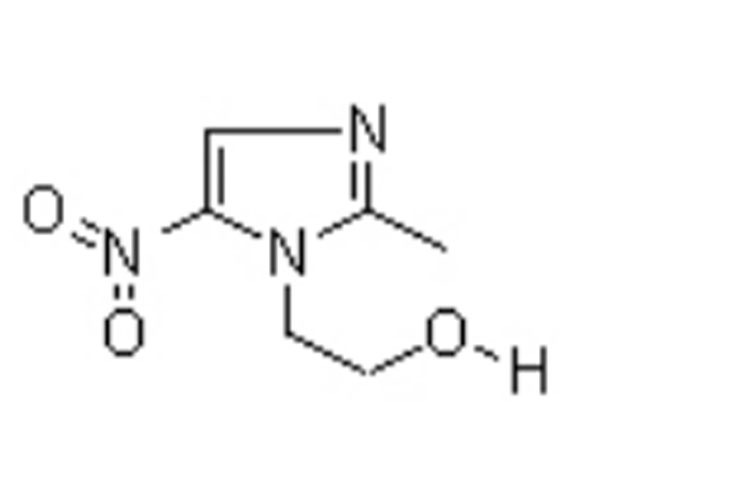
Yongbang Metronidazole is a commonly used antibiotic in veterinary medicine, especially for treating infections in animals. This medication is effective against a wide range of bacteria and parasites, making it a versatile tool in the treatment of various diseases.
One of the key benefits of Yongbang Metronidazole is its ability to penetrate deep into tissues and fluids, allowing it to target infections that other antibiotics may not reach. This makes it particularly useful in cases where the infection is localized or difficult to treat with other medications.
When administering Yongbang Metronidazole to animals, it is important to follow the dosage instructions provided by a qualified veterinarian. The dosage will vary depending on the type of infection, the severity of the condition, and the species of the animal being treated. Administering the correct dosage is crucial to ensure the medication is effective and to prevent the development of antibiotic resistance.
It is also important to note that Yongbang Metronidazole may have side effects in some animals, such as nausea, vomiting, or diarrhea. If any adverse reactions occur, it is important to consult with a veterinarian immediately.
In conclusion, Yongbang Metronidazole is a valuable tool in the treatment of infections in animals. By understanding its benefits, proper administration, and potential side effects, veterinarians can provide effective care for their animal patients and ensure their health and well-being.
One of the key benefits of Yongbang Metronidazole is its ability to penetrate deep into tissues and fluids, allowing it to target infections that other antibiotics may not reach. This makes it particularly useful in cases where the infection is localized or difficult to treat with other medications.
When administering Yongbang Metronidazole to animals, it is important to follow the dosage instructions provided by a qualified veterinarian. The dosage will vary depending on the type of infection, the severity of the condition, and the species of the animal being treated. Administering the correct dosage is crucial to ensure the medication is effective and to prevent the development of antibiotic resistance.
It is also important to note that Yongbang Metronidazole may have side effects in some animals, such as nausea, vomiting, or diarrhea. If any adverse reactions occur, it is important to consult with a veterinarian immediately.
In conclusion, Yongbang Metronidazole is a valuable tool in the treatment of infections in animals. By understanding its benefits, proper administration, and potential side effects, veterinarians can provide effective care for their animal patients and ensure their health and well-being.
Key words: