Address: Yuanbaoshan Industrial Zone, Chifeng City, Inner Mongolia, China

-
About Us

-
Strength
-
-
Contacts
Understanding the Benefits of Carbasalate Calcium for Veterinary Use
Published on:
2024-02-07
Table of Contents 1. Introduction: What is Carbasalate Calcium? 2. How Does Carbasalate Calcium Work in Veterinary Medicine? 3. Applications of Carbasalate Calcium in Veterinary Practice 3.1. Prevention and Treatment of Inflammatory Conditions 3.2. Pain Relief and Management 3.3. Blood Clot Prevention 3.4. Fever Reduction 3.5. Gastrointestinal Protection 4. Benefits of Carbasalate C
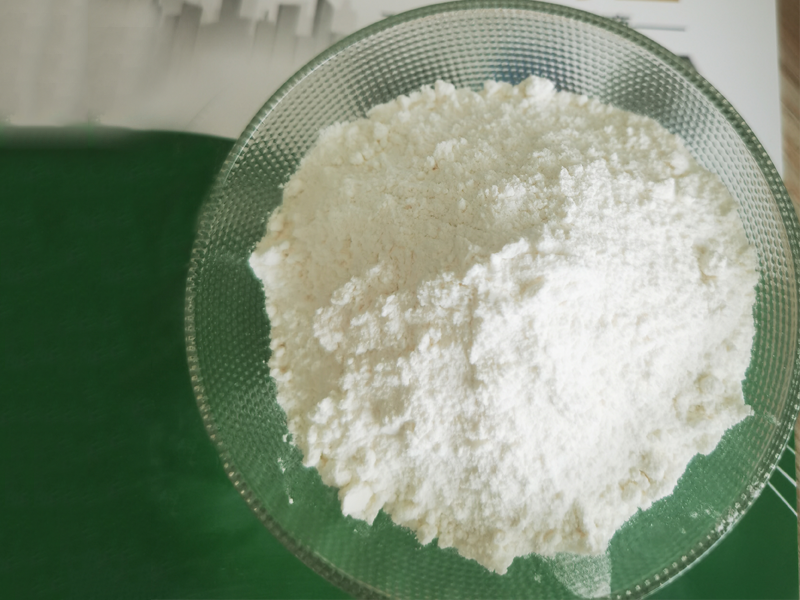
Table of Contents
1. Introduction: What is Carbasalate Calcium?
2. How Does Carbasalate Calcium Work in Veterinary Medicine?
3. Applications of Carbasalate Calcium in Veterinary Practice
3.1. Prevention and Treatment of Inflammatory Conditions
3.2. Pain Relief and Management
3.3. Blood Clot Prevention
3.4. Fever Reduction
3.5. Gastrointestinal Protection
4. Benefits of Carbasalate Calcium for Veterinary Use
4.1. Anti-inflammatory Properties
4.2. Analgesic Effects
4.3. Cardiovascular Protection
4.4. Antipyretic Properties
4.5. Gastrointestinal Support
5. Potential Side Effects and Precautions
5.1. Gastrointestinal Side Effects
5.2. Allergic Reactions
5.3. Bleeding and Blood Clotting Issues
5.4. Renal and Hepatic Concerns
5.5. Drug Interactions
6. Frequently Asked Questions (FAQs)
6.1. Can Carbasalate Calcium be used for all animals?
6.2. How should Carbasalate Calcium be administered?
6.3. Are there any alternative medications to Carbasalate Calcium?
6.4. Can Carbasalate Calcium be used long-term?
6.5. What should I do if my pet experiences side effects from Carbasalate Calcium?
7. Conclusion
1. Introduction: What is Carbasalate Calcium?
Carbasalate Calcium is a medication commonly used in veterinary medicine for its anti-inflammatory, analgesic, and antipyretic properties. It belongs to the class of non-steroidal anti-inflammatory drugs (NSAIDs) and is widely utilized in the treatment of various conditions in animals.
2. How Does Carbasalate Calcium Work in Veterinary Medicine?
Carbasalate Calcium works by inhibiting the synthesis of prostaglandins, which are responsible for promoting inflammation, pain, and fever. By reducing the production of these substances, Carbasalate Calcium helps alleviate discomfort and inflammation in animals.
3. Applications of Carbasalate Calcium in Veterinary Practice
3.1. Prevention and Treatment of Inflammatory Conditions
Carbasalate Calcium is highly effective in managing inflammatory conditions such as arthritis, osteoarthritis, and soft tissue injuries in animals. It helps reduce swelling, stiffness, and pain associated with these conditions, enhancing the overall quality of life for pets.
3.2. Pain Relief and Management
As an analgesic, Carbasalate Calcium provides relief from acute and chronic pain in animals. It can be used post-surgery or in cases of trauma, ensuring the well-being and comfort of the patient.
3.3. Blood Clot Prevention
Carbasalate Calcium has antithrombotic properties, meaning it helps prevent the formation of blood clots in animals. This is particularly beneficial for pets with cardiovascular issues or those at risk of developing thromboembolic diseases.
3.4. Fever Reduction
Fever is a common symptom in animals with infections or inflammatory conditions. Carbasalate Calcium helps reduce fever, promoting a more comfortable recovery process for the animal.
3.5. Gastrointestinal Protection
One of the advantages of Carbasalate Calcium is its ability to protect the gastrointestinal system from the harmful effects of other medications, particularly NSAIDs. It can be used alongside other drugs to minimize the risk of gastrointestinal ulcers and other complications.
4. Benefits of Carbasalate Calcium for Veterinary Use
4.1. Anti-inflammatory Properties
Carbasalate Calcium effectively reduces inflammation in animals, providing relief from pain, swelling, and stiffness associated with various conditions.
4.2. Analgesic Effects
By acting as an analgesic, Carbasalate Calcium helps alleviate pain, enabling pets to move more comfortably and enjoy a better quality of life.
4.3. Cardiovascular Protection
Carbasalate Calcium's antithrombotic properties assist in preventing the formation of blood clots, which can be life-threatening in animals with cardiovascular diseases.
4.4. Antipyretic Properties
The ability to reduce fever is a significant benefit of Carbasalate Calcium, as it aids in the recovery process and overall well-being of the animal.
4.5. Gastrointestinal Support
Carbasalate Calcium's gastrointestinal protection helps prevent ulcers and other complications associated with the use of other medications, ensuring the animal's digestive health.
5. Potential Side Effects and Precautions
While Carbasalate Calcium offers numerous benefits, it is essential to be aware of potential side effects and take precautions when using it in veterinary practice.
5.1. Gastrointestinal Side Effects
Some animals may experience gastrointestinal upset, including vomiting, diarrhea, or gastrointestinal bleeding. It is crucial to monitor the pet's response and consult a veterinarian if any adverse effects occur.
5.2. Allergic Reactions
In rare cases, animals may exhibit allergic reactions to Carbasalate Calcium. These reactions can range from mild skin irritations to severe anaphylaxis. Immediate veterinary attention is necessary if an allergic reaction is suspected.
5.3. Bleeding and Blood Clotting Issues
Carbasalate Calcium's antithrombotic properties can increase the risk of bleeding in animals. Caution is required when using it in patients with bleeding disorders or those undergoing surgical procedures.
5.4. Renal and Hepatic Concerns
Like other NSAIDs, Carbasalate Calcium can potentially affect the kidneys and liver in some animals. Regular monitoring of renal and hepatic parameters is advised in long-term or high-dose usage.
5.5. Drug Interactions
Carbasalate Calcium may interact with other medications, such as anticoagulants, corticosteroids, or other NSAIDs. It is vital to inform the veterinarian about all medications the pet is taking to avoid any potential drug interactions.
6. Frequently Asked Questions (FAQs)
6.1. Can Carbasalate Calcium be used for all animals?
Carbasalate Calcium can be used in various animal species, including dogs, cats, and horses. However, proper dosage adjustments and veterinary guidance are necessary for specific species and individual cases.
6.2. How should Carbasalate Calcium be administered?
Carbasalate Calcium is available in different formulations, including tablets or powder for oral administration. The dosage and administration instructions should be followed as directed by the veterinarian.
6.3. Are there any alternative medications to Carbasalate Calcium?
There are alternative medications available in the same class of NSAIDs, such as aspirin or other proprietary formulations. However, each medication may have different indications, dosages, and potential side effects. Consultation with a veterinarian is crucial before considering any alternatives.
6.4. Can Carbasalate Calcium be used long-term?
Long-term use of Carbasalate Calcium may be necessary in some cases, such as chronic inflammatory conditions. However, continuous monitoring and regular veterinary check-ups are essential to ensure the pet's safety and well-being.
6.5. What should I do if my pet experiences side effects from Carbasalate Calcium?
If any side effects or adverse reactions occur, it is crucial to seek veterinary advice immediately. The veterinarian will assess the situation and provide appropriate guidance or adjustments to the treatment plan.
7. Conclusion
Carbasalate Calcium offers significant benefits in veterinary medicine, primarily in the management of inflammatory conditions, pain relief, blood clot prevention, fever reduction, and gastrointestinal protection. While it is a valuable tool, it is essential to use it under veterinary guidance and closely monitor for potential side effects. By understanding the benefits and precautions associated with Carbasalate Calcium, pet owners can make informed decisions regarding their pet's health and well-being.
1. Introduction: What is Carbasalate Calcium?
2. How Does Carbasalate Calcium Work in Veterinary Medicine?
3. Applications of Carbasalate Calcium in Veterinary Practice
3.1. Prevention and Treatment of Inflammatory Conditions
3.2. Pain Relief and Management
3.3. Blood Clot Prevention
3.4. Fever Reduction
3.5. Gastrointestinal Protection
4. Benefits of Carbasalate Calcium for Veterinary Use
4.1. Anti-inflammatory Properties
4.2. Analgesic Effects
4.3. Cardiovascular Protection
4.4. Antipyretic Properties
4.5. Gastrointestinal Support
5. Potential Side Effects and Precautions
5.1. Gastrointestinal Side Effects
5.2. Allergic Reactions
5.3. Bleeding and Blood Clotting Issues
5.4. Renal and Hepatic Concerns
5.5. Drug Interactions
6. Frequently Asked Questions (FAQs)
6.1. Can Carbasalate Calcium be used for all animals?
6.2. How should Carbasalate Calcium be administered?
6.3. Are there any alternative medications to Carbasalate Calcium?
6.4. Can Carbasalate Calcium be used long-term?
6.5. What should I do if my pet experiences side effects from Carbasalate Calcium?
7. Conclusion
1. Introduction: What is Carbasalate Calcium?
Carbasalate Calcium is a medication commonly used in veterinary medicine for its anti-inflammatory, analgesic, and antipyretic properties. It belongs to the class of non-steroidal anti-inflammatory drugs (NSAIDs) and is widely utilized in the treatment of various conditions in animals.
2. How Does Carbasalate Calcium Work in Veterinary Medicine?
Carbasalate Calcium works by inhibiting the synthesis of prostaglandins, which are responsible for promoting inflammation, pain, and fever. By reducing the production of these substances, Carbasalate Calcium helps alleviate discomfort and inflammation in animals.
3. Applications of Carbasalate Calcium in Veterinary Practice
3.1. Prevention and Treatment of Inflammatory Conditions
Carbasalate Calcium is highly effective in managing inflammatory conditions such as arthritis, osteoarthritis, and soft tissue injuries in animals. It helps reduce swelling, stiffness, and pain associated with these conditions, enhancing the overall quality of life for pets.
3.2. Pain Relief and Management
As an analgesic, Carbasalate Calcium provides relief from acute and chronic pain in animals. It can be used post-surgery or in cases of trauma, ensuring the well-being and comfort of the patient.
3.3. Blood Clot Prevention
Carbasalate Calcium has antithrombotic properties, meaning it helps prevent the formation of blood clots in animals. This is particularly beneficial for pets with cardiovascular issues or those at risk of developing thromboembolic diseases.
3.4. Fever Reduction
Fever is a common symptom in animals with infections or inflammatory conditions. Carbasalate Calcium helps reduce fever, promoting a more comfortable recovery process for the animal.
3.5. Gastrointestinal Protection
One of the advantages of Carbasalate Calcium is its ability to protect the gastrointestinal system from the harmful effects of other medications, particularly NSAIDs. It can be used alongside other drugs to minimize the risk of gastrointestinal ulcers and other complications.
4. Benefits of Carbasalate Calcium for Veterinary Use
4.1. Anti-inflammatory Properties
Carbasalate Calcium effectively reduces inflammation in animals, providing relief from pain, swelling, and stiffness associated with various conditions.
4.2. Analgesic Effects
By acting as an analgesic, Carbasalate Calcium helps alleviate pain, enabling pets to move more comfortably and enjoy a better quality of life.
4.3. Cardiovascular Protection
Carbasalate Calcium's antithrombotic properties assist in preventing the formation of blood clots, which can be life-threatening in animals with cardiovascular diseases.
4.4. Antipyretic Properties
The ability to reduce fever is a significant benefit of Carbasalate Calcium, as it aids in the recovery process and overall well-being of the animal.
4.5. Gastrointestinal Support
Carbasalate Calcium's gastrointestinal protection helps prevent ulcers and other complications associated with the use of other medications, ensuring the animal's digestive health.
5. Potential Side Effects and Precautions
While Carbasalate Calcium offers numerous benefits, it is essential to be aware of potential side effects and take precautions when using it in veterinary practice.
5.1. Gastrointestinal Side Effects
Some animals may experience gastrointestinal upset, including vomiting, diarrhea, or gastrointestinal bleeding. It is crucial to monitor the pet's response and consult a veterinarian if any adverse effects occur.
5.2. Allergic Reactions
In rare cases, animals may exhibit allergic reactions to Carbasalate Calcium. These reactions can range from mild skin irritations to severe anaphylaxis. Immediate veterinary attention is necessary if an allergic reaction is suspected.
5.3. Bleeding and Blood Clotting Issues
Carbasalate Calcium's antithrombotic properties can increase the risk of bleeding in animals. Caution is required when using it in patients with bleeding disorders or those undergoing surgical procedures.
5.4. Renal and Hepatic Concerns
Like other NSAIDs, Carbasalate Calcium can potentially affect the kidneys and liver in some animals. Regular monitoring of renal and hepatic parameters is advised in long-term or high-dose usage.
5.5. Drug Interactions
Carbasalate Calcium may interact with other medications, such as anticoagulants, corticosteroids, or other NSAIDs. It is vital to inform the veterinarian about all medications the pet is taking to avoid any potential drug interactions.
6. Frequently Asked Questions (FAQs)
6.1. Can Carbasalate Calcium be used for all animals?
Carbasalate Calcium can be used in various animal species, including dogs, cats, and horses. However, proper dosage adjustments and veterinary guidance are necessary for specific species and individual cases.
6.2. How should Carbasalate Calcium be administered?
Carbasalate Calcium is available in different formulations, including tablets or powder for oral administration. The dosage and administration instructions should be followed as directed by the veterinarian.
6.3. Are there any alternative medications to Carbasalate Calcium?
There are alternative medications available in the same class of NSAIDs, such as aspirin or other proprietary formulations. However, each medication may have different indications, dosages, and potential side effects. Consultation with a veterinarian is crucial before considering any alternatives.
6.4. Can Carbasalate Calcium be used long-term?
Long-term use of Carbasalate Calcium may be necessary in some cases, such as chronic inflammatory conditions. However, continuous monitoring and regular veterinary check-ups are essential to ensure the pet's safety and well-being.
6.5. What should I do if my pet experiences side effects from Carbasalate Calcium?
If any side effects or adverse reactions occur, it is crucial to seek veterinary advice immediately. The veterinarian will assess the situation and provide appropriate guidance or adjustments to the treatment plan.
7. Conclusion
Carbasalate Calcium offers significant benefits in veterinary medicine, primarily in the management of inflammatory conditions, pain relief, blood clot prevention, fever reduction, and gastrointestinal protection. While it is a valuable tool, it is essential to use it under veterinary guidance and closely monitor for potential side effects. By understanding the benefits and precautions associated with Carbasalate Calcium, pet owners can make informed decisions regarding their pet's health and well-being.
Key words: